
“As the leaves start to fall, we're reminded that change is a natural part of life.”
There’s something special about the coziness that comes with autumn. The days grow shorter, the air turns colder, and the aroma of cinnamon and pumpkin spice begins to fill the stores. Leaves transform from vibrant green into glowing shades of gold, orange, red, and amber before gently falling to the ground, reminding us of the natural cycles of life.
As the seasons change, it's also a good time to check in with our own bodies. Pain can affect people of all ages, and it can become more common as we get older or as the weather gets colder. Whether it's an acute injury like a sprain or strain, lingering discomfort from an old injury, or tension that builds from sitting in one position or repeatedly performing the same movements, pain can affect how we move, work, sleep, and enjoy life.
The good news is that there are different approaches to pain management, and acupuncture may be a helpful part of that journey.
In this article, we will explore:
What pain is and why it can sometimes persist long after an injury heals
How Traditional Chinese Medicine understands pain through Qi, Blood, and stagnation
How acupuncture may help relieve pain and what scientific research tells us
Which types of pain acupuncture may help address
What to expect during an acupuncture treatment for pain and how care can be tailored to your needs
What Is Pain?
Pain is something most of us experience at some point in our lives, whether from an injury, overuse, illness, or an ongoing health condition. But pain is more complex than simply being a signal from an injured body part.
The International Association for the Study of Pain (IASP) defines pain as “an unpleasant sensory and emotional experience associated with, or resembling that associated with, actual or potential tissue damage.” Importantly, pain is a personal experience influenced by biological, psychological, and social factors.
Pain as a Protective Signal
In many situations, pain serves an important protective purpose. For example, if you sprain your ankle, pain encourages you to protect the injured area while it heals. Similarly, pain from a burn or other injury can alert you to a potential threat and encourage you to move away from whatever is causing harm.
This type of acute pain is often temporary and improves as the underlying injury or condition heals.
However, pain doesn’t always directly reflect tissue damage. The nervous system processes information from the body alongside other factors, including stress, emotions, previous experiences, attention, and the surrounding environment. This is one reason two people can experience similar injuries but have very different pain experiences.
When Pain Persists
Pain can become more complicated when it continues beyond the expected healing period. Chronic pain is generally defined as pain that persists or recurs for more than three months, although its causes and effects vary from person to person.
When pain persists, the nervous system can change the way it processes pain signals. The nervous system may become more sensitive, meaning that stimuli that might once have caused minor discomfort can produce a stronger pain response. Pain may also continue after an original injury has healed, or when there is no longer an obvious source of tissue damage.
This does not mean chronic pain is “all in your head.” The pain is real. Rather, it means the experience of pain can be influenced by the nervous system and brain, in addition to what is happening in the tissues themselves.
Persistent pain can also be influenced by sleep, stress, mood, physical activity, inflammation, previous injuries, and other aspects of a person's overall health. This is why chronic pain is often best understood through a whole-person, or biopsychosocial, approach rather than looking at one body part in isolation.
Understanding pain this way is important because effective pain care isn't always about finding something to “fix” at the exact location that hurts. Treatment may involve addressing the tissues, movement patterns, nervous system, lifestyle factors, and other contributors to the pain experience.
This broader perspective is one reason acupuncture can be a valuable option to explore.
How Can Acupuncture Help With Pain?
In Traditional Chinese Medicine (TCM), there is a well-known saying:

通则不痛,不通则痛 — Tōng zé bù tòng, bù tōng zé tòng.
“Where there is free flow, there is no pain; where there is no free flow, there is pain.”
This principle reflects the importance of the smooth movement of Qi and Blood throughout the body, similar to the flow of a river. From a TCM perspective, pain can arise when this movement becomes disrupted, creating a pattern of stagnation. Depending on the individual, stagnation may be considered alongside patterns involving cold, heat, deficiency, or other imbalances. These characteristics make each pain pattern unique and understanding these traits are essential for proper treatment.
In practice, this means we don't necessarily approach every painful area in the same way. Two people with similar symptoms may have different underlying TCM patterns and therefore receive different treatments.
Modern science offers another way to understand why an individualized approach matters. Pain involves much more than the area of the body that hurts. It is influenced by signals traveling between the tissues, spinal cord, and brain, as well as factors such as inflammation, stress, sleep, and nervous system activity.
Research suggests that acupuncture may influence several of the systems involved in how we experience and regulate pain:
Modulating the nervous system: Acupuncture stimulates sensory nerves that communicate with the spinal cord and brain, potentially influencing how pain signals are processed and regulated, including the body's natural pain-inhibiting pathways.
Supporting natural pain regulation: Acupuncture may interact with the body's own pain-regulating chemicals, including endogenous opioids and other neuromodulators. An experimental study published in Nature Neuroscience found that acupuncture increased local levels of adenosine, a molecule involved in pain modulation. Although this study was conducted in mice, it offers insight into one possible mechanism.
Influencing local tissue responses: Needling may produce local physiological changes involving sensory nerve activity, blood flow, connective tissue, and biochemical signaling. These responses may be relevant when pain involves muscle tension, overuse, or irritated tissues.
Supporting nervous system balance: Pain and stress can reinforce one another. Acupuncture may influence autonomic nervous system activity, which helps regulate the body's stress response and other functions. For more on this connection, read my article, How Acupuncture Helps Reduce Stress.
What Does the Research Say?
Acupuncture has been studied extensively for pain, although the strength of evidence varies depending on the condition, study design, and treatment approach.
A large individual-patient-data meta-analysis published in 2018 combined results from 39 randomized controlled trials involving nearly 18,000 participants. It found that acupuncture was associated with better outcomes than both sham acupuncture and no acupuncture for several chronic pain conditions. The difference between acupuncture and sham treatment was smaller than the difference between acupuncture and no treatment, suggesting that both needling-specific effects and other aspects of treatment may contribute to the overall benefit
Read the study: Acupuncture for Chronic Pain — An Updated Individual Patient Data Meta-Analysis.
Research has also found benefits for specific types of pain. For example, a systematic review and meta-analysis examining acupuncture for nonspecific low back pain found improvements in pain and function compared with certain control treatments. The results varied depending on the comparison group and outcome measured.
Explore the research on acupuncture and chronic pain on PubMed.
Overall, research supports acupuncture as a useful option for managing certain types of pain, but results vary from person to person. Acupuncture is not a guaranteed solution, and it is important to seek appropriate medical evaluation when pain is severe, unexplained, worsening, or associated with other concerning symptoms.
A Shift Toward Non-Opioid Pain Management
The research on acupuncture is particularly relevant as healthcare providers continue to explore effective ways to manage pain while weighing the benefits and risks of different treatments.
Opioid medications have an important role in certain situations, including some types of severe acute pain. However, they also carry risks, including dependence, overdose, and other serious adverse effects. The opioid crisis has contributed to greater attention toward evidence-based options that may help people manage pain without relying solely on opioid medication.
The Centers for Disease Control and Prevention (CDC) recommends maximizing non-opioid and nonpharmacologic treatments when appropriate. Its clinical guideline identifies acupuncture as one option for certain chronic pain conditions, including low back pain, neck pain, and fibromyalgia. For many common types of acute pain, the guideline also notes that non-opioid therapies can be at least as effective as opioids.
This doesn't mean acupuncture should replace medication when medication is appropriate, or that opioids are never necessary. Instead, it highlights the value of multimodal pain management—using different approaches based on a person's condition, needs, and preferences.
For people looking for non-drug options, acupuncture may be one part of a broader treatment plan alongside exercise, physical therapy, medical care, and other appropriate therapies.
What Types of Pain Can Acupuncture Help With?
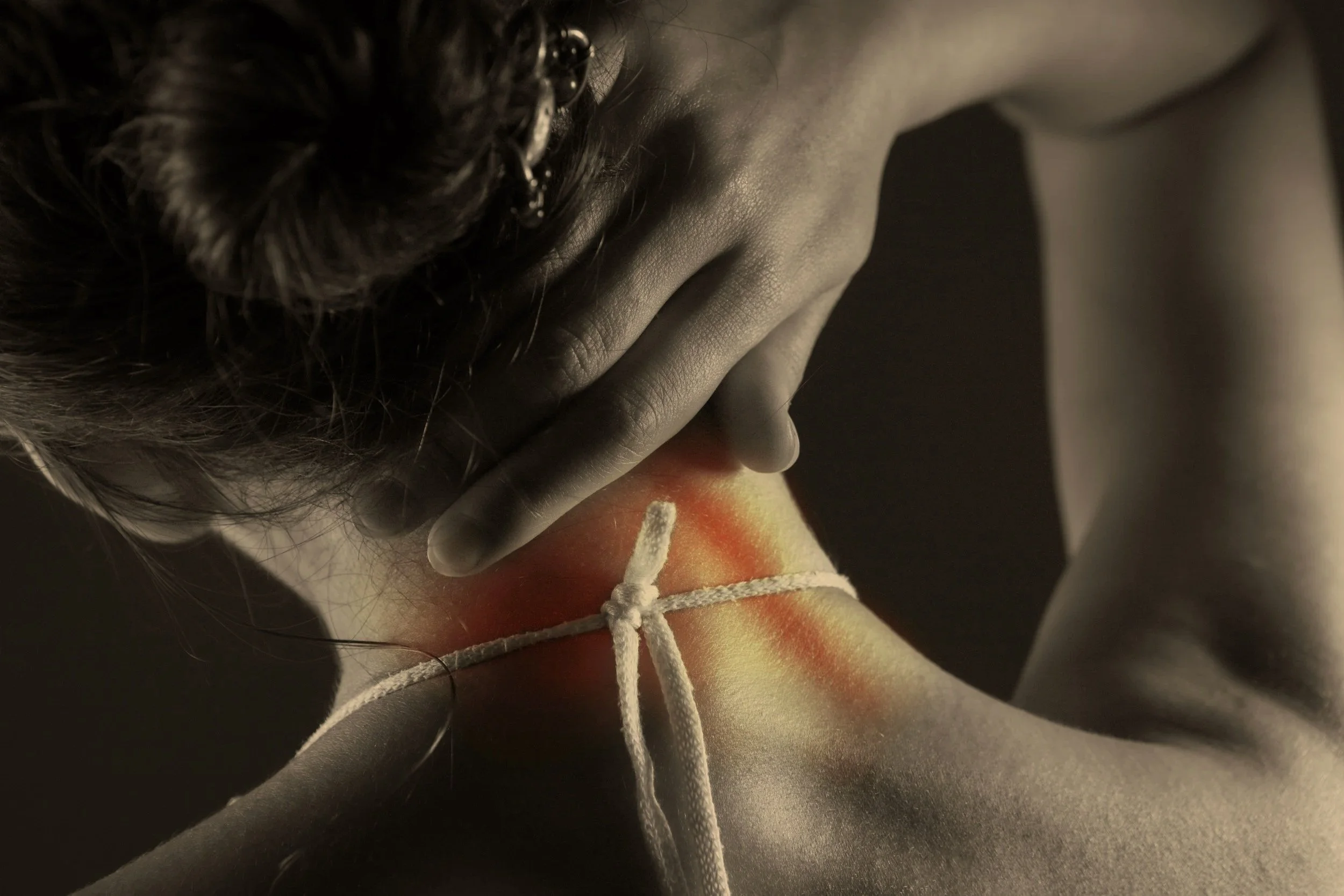
Pain can have many different causes, and the best approach depends on the type of pain, how long you've been experiencing it, and how it affects your daily life.
Acute pain and chronic pain may respond differently to treatment. Some recent injuries improve relatively quickly, while persistent pain may require a more sustained, multifaceted approach. Seeking appropriate care early when pain isn't improving can help you understand what's going on and explore your options.
And if you've been dealing with pain for years, don't assume it's too late to seek help. Many people with persistent pain can still experience meaningful improvements in comfort, movement, and quality of life.
In some situations, people explore acupuncture when they are considering other interventions, including surgery. Acupuncture may help manage symptoms for certain conditions, but whether surgery can be avoided depends on the underlying diagnosis. It is important to work with your medical team when making those decisions.
Acupuncture and TCM may be used as part of a treatment plan for many types of pain, including:
Headaches and migraines
Back pain
Neck and shoulder pain
Joint pain
Sports and overuse injuries
Muscular tension and soreness
Certain chronic pain conditions
Each condition has its own evidence base, and acupuncture may be more helpful for some types of pain than others. As I continue building my resource library, I'll be sharing more about specific conditions and how acupuncture may fit into their management.
What Does an Acupuncture Treatment for Pain Look Like?
Every treatment begins with understanding you and your experience of pain. Although two people may come in with discomfort in the same area, the details of their symptoms can be very different—and those details help guide treatment.
Your Consultation and Assessment
During your consultation, we'll explore questions such as:
Location: Where is the pain? Is it limited to one area, or does it travel or move around?
Quality: Does it feel sharp, stabbing, dull, heavy, aching, or burning?
Timing: When did it begin? Is it constant or intermittent? Is it worse in the morning, evening, or at a particular time?
Aggravating and relieving factors: What makes it worse or better? Does movement, rest, heat, cold, or pressure change the pain?
Movement: Are there restrictions in your range of motion? Are there particular movements that increase or relieve discomfort?
Your overall health: How are sleep, stress, activity levels, previous injuries, and other health concerns affecting your day-to-day life?
Depending on your symptoms, a physical assessment involving simple movements may help us understand how your body is responding. I'll also consider your TCM presentation when developing an individualized treatment plan.
Choosing the Right Treatment Approach
Acupuncture treatment varies depending on your symptoms, health history, preferences, and goals. It may involve local points, distal points, or a combination of approaches.
For example:
Distal acupuncture: Needles are placed away from the painful area, often on the hands, arms, feet, or legs. This can be useful when direct needling isn't preferred or when a distal approach is appropriate.
Local acupuncture and ashi points: Needles may be placed near the painful area or at particularly tender points, depending on the presentation and whether local needling is appropriate.
Electroacupuncture: A gentle electrical current is passed between selected acupuncture needles. This provides a form of stimulation that may be useful for certain pain conditions.
Cupping: This technique uses suction to lift the skin and underlying tissues. Some people find it helpful for muscular discomfort and tension.
Moxibustion: Mugwort is warmed near or on selected acupuncture points using an appropriate technique. In TCM, it is often used when warming is part of the treatment approach.
Tuina: A form of Chinese therapeutic bodywork that uses techniques such as pressure and manipulation to address tension and discomfort.
Not every treatment includes all these techniques. I'll select approaches based on what seems appropriate for your individual needs.
Other Options That May Complement Acupuncture
Depending on the type of pain and your treatment goals, additional options may be worth discussing:
Heat therapy: Therapeutic warmth, including the use of a TDP lamp, may be incorporated when appropriate.
Topical products: Certain topical liniments or herbal plasters may provide temporary symptomatic relief. I offer options such as Po Sum On and herbal plasters when appropriate, taking into account individual sensitivities and contraindications.
Chinese herbal medicine: Oral herbal formulas may be considered as part of an individualized plan when appropriate. Herbs can have side effects and interactions with medications, so they should be selected with care.
Movement and self-care: Gentle movement, appropriate exercise, rest, and other home-care strategies may complement in-clinic treatments.
The goal isn't to use every available modality. It's to choose the approaches that best fit your needs and work together as part of a thoughtful treatment plan.
Looking Beyond the Location of Pain
One of the most interesting aspects of acupuncture is that treatment does not always have to take place directly where you feel pain.
Depending on your symptoms and individual presentation, your acupuncturist may use points near the painful area, points farther away on the body, or a combination of both. Distal acupuncture, for example, uses points away from the area of discomfort and can be a useful approach in certain situations.
This is also why two people experiencing similar pain may receive very different acupuncture treatments.
Your comfort and preferences matter, too. If you prefer to avoid needling certain areas or would rather lie face-up than face-down, let your acupuncturist know. There may be different ways to approach your treatment. Our goal is to work with you and support your body, not take away your autonomy.
Is Acupuncture Right for Your Pain?
If pain is interfering with the activities you love, affecting your sleep, or simply making everyday life more difficult, acupuncture may be worth exploring as part of your care.
At Graceful Healing Acupuncture & Wellness, each treatment is individualized based on your symptoms, health history, and goals. Rather than focusing only on where you hurt, we look at the bigger picture to better understand what may be contributing to your pain and how we can support your body toward greater balance and function.
Whether you're dealing with a recent injury or pain that has been affecting you for years, you deserve to understand your options and find an approach that feels right for you.
If you're curious about whether acupuncture may be a good fit for your concerns, I'd be happy to help you explore your options.
Ready to take the next step? Schedule an acupuncture appointment at Graceful Healing Acupuncture & Wellness.
Graceful Healing Acupuncture & Wellness proudly serves Golden, Denver, Lakewood, Arvada, Wheat Ridge, Evergreen, and Morrison communities.